É muito fácil ficar enredado numa rede social de influência ideológica, ou de contra-informação. Os algoritmos de Inteligência Artificial das redes sociais querem a nossa aprovação, a nossa atenção. Para tal, identificam as nossas preferências e as nossas fobias. Depois vão-nos alimentando paulatinamente, diariamente, primeiro em doses homeopáticas, depois de modo convulsivo, com o que gostamos de ver, ouvir, ler e pensar. O funcionamento é muito semelhantes à ação das drogas mais comuns—provocam a libertação de dopamina no nosso cérebro, satisfazem o nosso ego, dão prazer (positivo ou mórbido), e criam dependência.
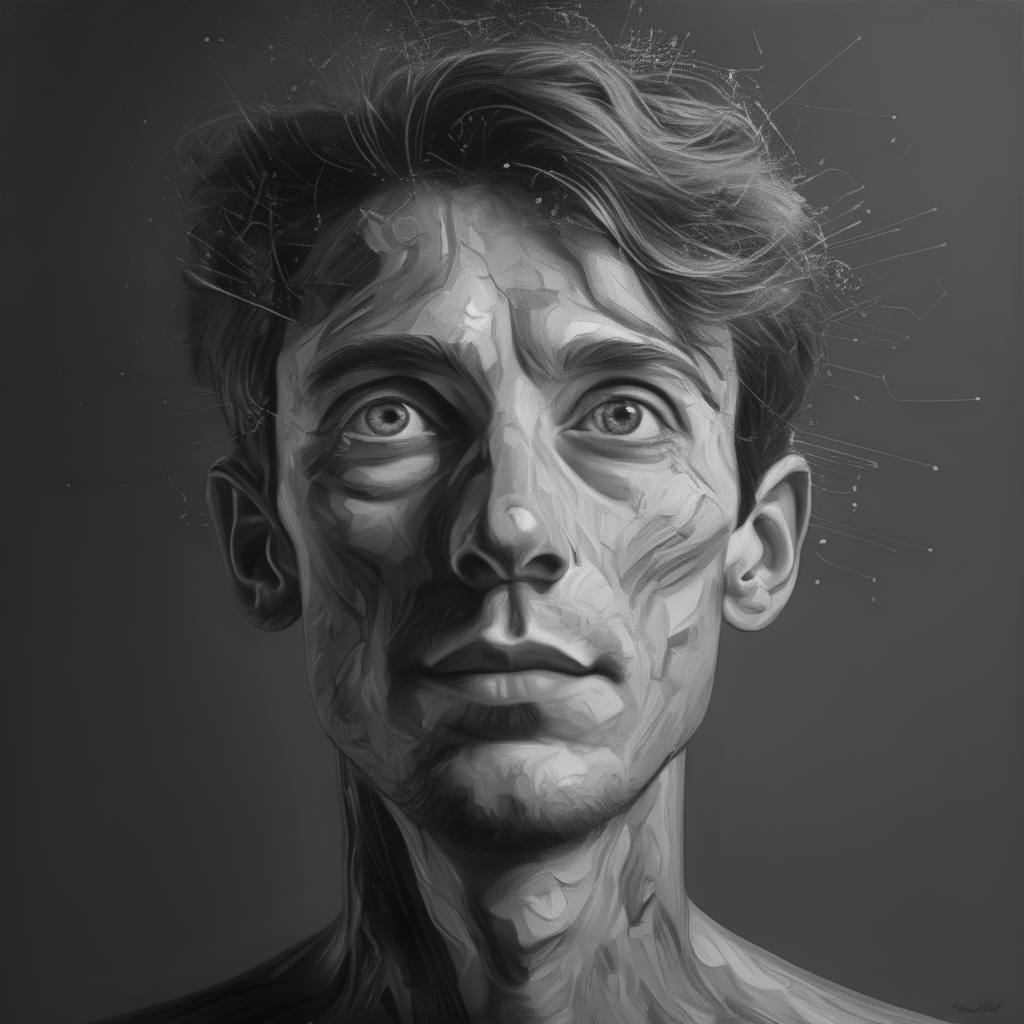
Vejo cada vez mais amigos caminharem como sonâmbulos nas esteiras da contra-informação propagada pelas ditaduras e movimentos terroristas mais notórios do planeta. Seja no caso da invasão russa da Ucrânia, seja na desculpabilização do terrorismo do Hamas, seja no sado-masoquismo woke que substituiu a verdadeira discussão das propostas de uma visão interseccional do mundo, não há curiosidade crítica, não há estudo, não há conhecimento, nem discussão, mas apenas segmentação ideológica e cultural de massas e captura da atenção. E desta vez, não para continuar apenas a alimentar o tradicional consumismo conspícuo de objetos, aparências e marcas, mas também para nos atrair a falsos vórtices de consenso assentes na distorção sistemática do significado das palavras e das imagens.
O antagonismo cresce e divide. O mundo zombie chegou. Valerá ainda a pena promover o diálogo? Com quem?
DISCUSSION
Ken Rinaldo — This is very well written and so true. But isn’t this the whole issue with language and image descriptions of anything? All propagated ideas language is a virus, as Lori Anderson would say.
c blog — [@kenrinaldo] I believe words and pictures have always been liberating processes through which humankind evolved as intelligent animals and human societies. The evolution of language, as that of imagination and imaging, was also a way of empowering a few over the majority, or, said with a different tone, a way of building leadership and the necessary social hierarchy that keeps societies functioning in a more or less peaceful mood. We have now made (or seen) a quantum leap in the old fashion of building communities, power systems, social fabrics, and representations. It seems we accidentally exported our specific and social human intelligence to non-biological machines that not only have copied our cognitive mechanisms but also have the capacity to expand them further and much more rapidly than we humans are capable of. The fact that AI images can be prompted by any common language seems to threaten the historical autonomy that we have credited subjectivity with, as if the individual and social subject were, or has been since ever, mere space-time interfaces of deep life-building processes. I think this might be a ‘de facto’ revolution. I am more thrilled by this possibility than the momentary chaos such a revolution will necessarily induce in most human societies and global powers. If we cannot switch off the techno sphere as it is today, the world will change beyond human will.

